You've got questions about your trees, I get it. Homeowners in Beaumont are always asking me about what's going on with their live oaks, magnolias, and even those pesky Bradford pears. It's my job to know trees, and I've heard just about every question under the sun. So, I figured it's time to lay out some of the most common ones and give you the straight scoop. No fluff, just what you need to know to keep your trees healthy and your property safe.
How do I know if my tree is sick or dying?
This is probably the most frequent question I get. You're looking at your tree, and something just doesn't seem right. The first thing I tell folks to look for is the leaves. Are they discolored? Are they wilting when they shouldn't be, or falling off out of season? Brown or yellow leaves, especially when they're not supposed to be changing, are a big red flag. Then, check the branches. Are there a lot of dead branches, or branches without any leaves at all? If you can easily snap off a small twig and it's dry and brittle, that's not a good sign. You also want to look at the trunk. Are there cracks, cankers (sunken spots), or strange growths? Is there sawdust at the base, which could mean borers? Finally, pay attention to the overall shape. A healthy tree usually has a full, balanced canopy. If one side is sparse or dying back, that's a problem. Don't wait until half the tree is gone; give us a call at Beaumont Tree Service if you're seeing these signs.
What's the best way to water my trees in our Beaumont climate?
Watering correctly is crucial, especially with our hot, humid summers and sometimes unpredictable rainfall here in Southeast Texas. Most people either don't water enough or they water too much, and both can be bad. For established trees, you want deep, infrequent watering. Don't just sprinkle the surface; that encourages shallow roots. You need to get that water down to where the main root system is, which is usually in the top 12-18 inches of soil. A good rule of thumb is to water slowly for a longer period, letting the water soak in. Think about using a soaker hose or letting a regular hose trickle at the base of the tree for a few hours. Do this once or twice a week during dry spells, rather than a quick daily splash. New trees, of course, need more frequent watering, sometimes every day or two for the first year, but still aim for that deep soak.
When is the right time to prune my trees?
This depends a lot on the type of tree and what you're trying to achieve. Generally, for most deciduous trees (the ones that lose their leaves), the best time for major pruning is in late winter or early spring, before new growth starts. The tree is dormant then, so it's less stressful for it, and you can see the branch structure clearly. For flowering trees, you usually prune after they've finished blooming. If you prune them before, you'll cut off all the flower buds for that year. Dead, diseased, or hazardous branches can and should be removed any time of year. Don't put that off. We've seen plenty of storm damage around here, especially in neighborhoods like Amelia, and a well-pruned tree is a safer tree.
Should I fertilize my trees, and if so, with what?
Not every tree needs fertilizer, and sometimes, fertilizing incorrectly can do more harm than good. A healthy tree in good soil might not need anything extra. However, if your tree is showing signs of nutrient deficiency – like pale leaves, slow growth, or smaller-than-normal leaves – then fertilization can help. The best way to know for sure is to get a soil test done. That'll tell you exactly what nutrients your soil is lacking. If you do fertilize, use a slow-release granular fertilizer specifically formulated for trees and shrubs. Spread it evenly under the tree's canopy, but keep it away from the trunk. Don't just dump a bunch of high-nitrogen lawn fertilizer around your trees; that's not what they need and can even burn them.
How can I protect my trees from pests and diseases?
Prevention is always the best medicine. A healthy, well-maintained tree is much more resistant to pests and diseases than a stressed one. That means proper watering, correct pruning, and making sure the tree isn't damaged by lawnmowers or weed whackers. Keep an eye out for any unusual spots on leaves, holes in the bark, or insect activity. If you spot something, try to identify the pest or disease quickly. Sometimes, a strong blast of water can dislodge aphids, or you can pick off larger caterpillars. For more serious infestations, you might need to use an appropriate pesticide or fungicide. But always identify the problem first, and consider consulting a professional. You don't want to spray chemicals unnecessarily, especially with all the wildlife we have around here.
My tree has roots pushing up my driveway/sidewalk. What can I do?
Ah, the classic Beaumont problem, especially with our clay soil and fast-growing trees like live oaks. Those roots are just doing their job, looking for water and nutrients, and sometimes they find the path of least resistance right under your concrete. You've got a few options, but none are perfect. You can prune the offending roots, but this needs to be done carefully by a professional. Cutting large structural roots can destabilize the tree or even kill it. Another option is to install a root barrier, which is a physical barrier placed in the ground to redirect root growth. Sometimes, the best solution is to simply repair or replace the damaged concrete, or even consider a different type of paving that can accommodate some root movement. If you're thinking about planting a new tree, always consider its mature size and root system before you put it too close to any structures.
When should I consider removing a tree instead of trying to save it?
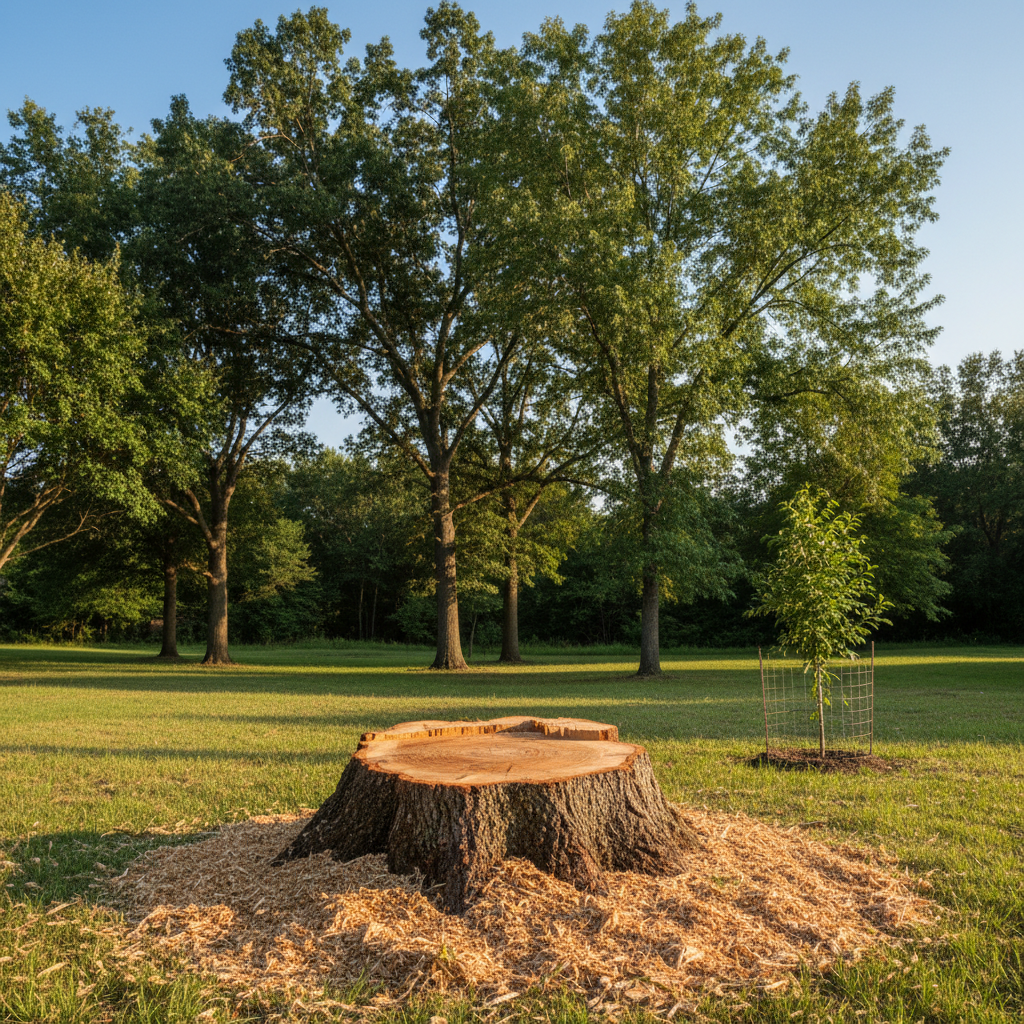
This is a tough one for a lot of folks, and it's a decision I help people make pretty often. Nobody wants to cut down a big, beautiful tree. But sometimes, it's the safest and most responsible thing to do. If a tree is severely diseased and can't be treated, or if it's been heavily damaged by a storm and is structurally unsound, it becomes a hazard. Look for large cavities in the trunk, extensive decay, or a significant lean that wasn't there before. If a tree is dead, it needs to come down. Dead trees can fall without warning, especially during our intense thunderstorms. If a tree is posing a risk to your home, your family, or your neighbors' property, it's time to consider removal. It's always better to be proactive than to wait for an accident to happen. We can come out and give you an honest assessment of your tree's health and whether removal is truly necessary.