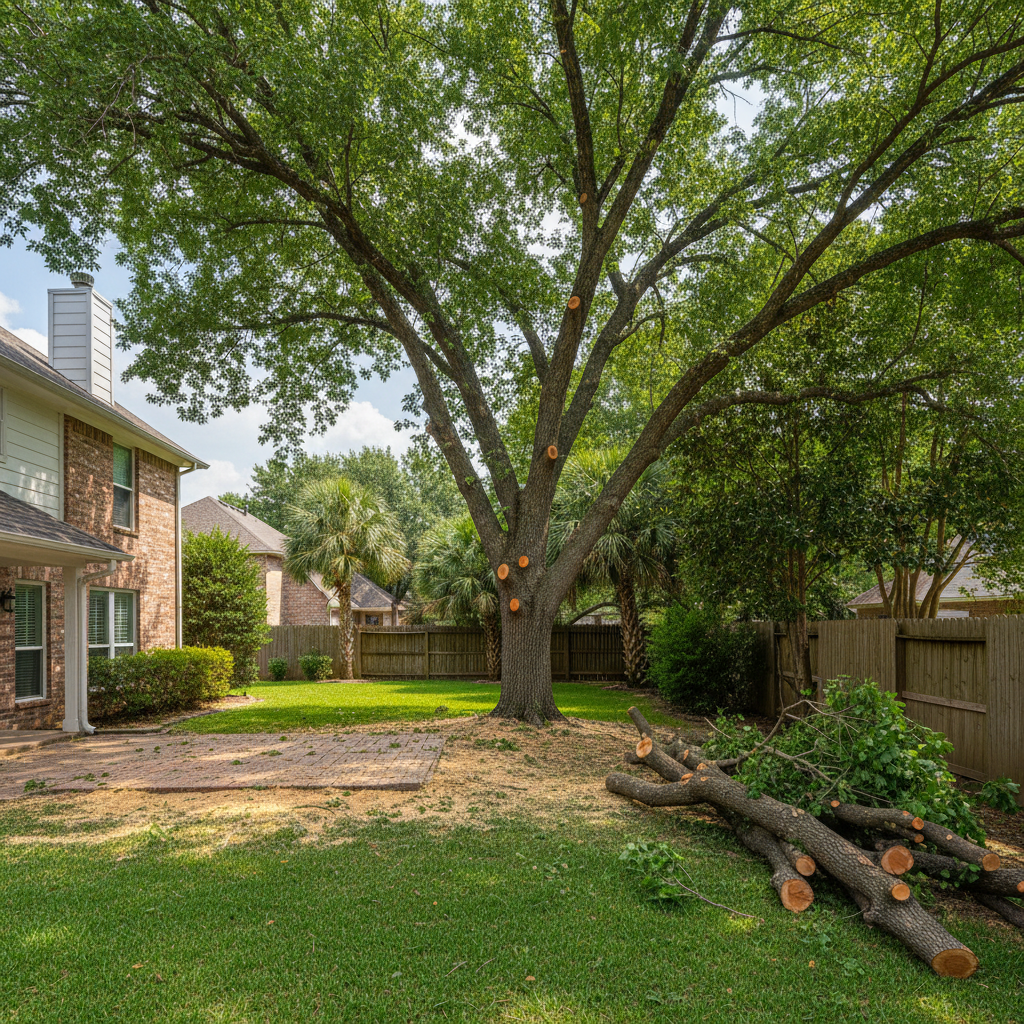
So, you've gone and invested in getting your trees pruned. That's a smart move, really, for safety, for tree health, and to make your property look its best. But here's the thing: pruning isn't a one-and-done deal. Think of it like changing the oil in your truck — you do it, but you still gotta keep an eye on things between changes, right? You want that pruning work to last, and your trees to thrive. Let's talk about how you do that, especially here in Beaumont.
Making Your Pruning Work Last Longer
When we prune a tree, we're making cuts that encourage specific growth patterns. To really get the most out of that work, you need to understand what happens next. First off, a good pruning job should leave your tree with a strong, balanced structure. You'll see better air circulation through the canopy, which is a big deal in our humid Beaumont climate. That air movement helps prevent fungal diseases that just love damp, still conditions.
After a professional pruning, the tree is going to start healing those cuts and putting out new growth. You want to make sure that new growth is heading in the right direction. Sometimes, a tree might try to put out a bunch of suckers from the base or water sprouts along the limbs. These are fast-growing, weak shoots that can mess up the tree's structure and undo some of the benefits of the pruning. If you catch 'em early, you can rub them off with your hand or snip them with hand pruners. It's a quick job, and it saves you bigger headaches later.
Also, keep an eye on any new branches that start growing inward or rubbing against other branches. That friction can create open wounds, inviting pests and diseases. A little snip here and there with clean, sharp tools can prevent a bigger problem down the road, wouldn't you say?
What Regular Tree Maintenance Looks Like
Regular maintenance for your trees isn't about doing a full-blown pruning every year. It's more about observation and minor interventions. Here's what I tell folks:
- Walk around your property once a month. Just take a good look at your trees. Are there any dead branches? Are leaves looking discolored? Is anything growing too close to your house or power lines?
- Keep the area around the base clear. Weeds and grass competing for water and nutrients can stress a tree. A good layer of mulch (not piled up against the trunk, mind you) helps retain moisture and keeps the soil temperature steady.
- Water appropriately. Even established trees can get thirsty, especially during our hot, dry spells. Young trees definitely need consistent watering.
- Inspect for pests. Look for strange spots on leaves, holes in the bark, or any unusual insect activity. Catching these early can make a huge difference.
- Address minor issues quickly. If you see a small broken branch, get it off. Don't let it hang there and become a hazard or a pathway for disease.
Think of it as being a good steward of your property. Your trees are an investment, and a little attention goes a long way.
Warning Signs of Tree Problems
You don't need to be an arborist to spot trouble. Your trees will tell you when something's wrong, you just gotta know what to look for. Here are some red flags:
- Sudden leaf drop or discoloration: If leaves are turning brown, yellow, or falling off out of season, that's a sign of stress. Could be drought, disease, or pests.
- Dead branches: Branches that are brittle, have no leaves, or have peeling bark are dead. These are potential hazards, especially with our strong Gulf Coast winds.
- Cracks or splits in the trunk or major limbs: These are serious structural issues. A crack can mean the tree is about to fail.
- Fungus or mushrooms growing on the trunk or branches: This often indicates decay inside the tree.
- Sawdust-like material or small holes in the bark: Could be borers or other wood-boring insects.
- Leaning: If a tree starts leaning significantly, especially after a storm, its root system might be compromised.
- Branches rubbing on your roof or power lines: This is a safety issue and can damage your home or cause power outages.
If you see any of these, don't ignore them. It's better to be safe than sorry.
When to Call a Professional for Pruning
You can handle those little suckers or a tiny broken twig yourself. But for anything more substantial, you really should call in the pros. Here's when to pick up the phone:
- Large branch removal: Anything that requires a ladder, a chainsaw, or is too heavy for you to handle safely. You don't want to be on a ladder with a chainsaw, trust me.
- Branches near power lines: This is incredibly dangerous. Always call the utility company first if it's their line, or a professional tree service if it's your tree near the line.
- Structural issues: If you see major cracks, splits, or a tree that's leaning, you need an expert assessment.
- Disease or pest identification: If you're not sure what's wrong, a certified arborist can diagnose the problem and recommend treatment.
- Clearance pruning: If branches are growing into your house, garage, or other structures.
- Storm damage: After a big storm, especially during hurricane season, you'll often have broken or hanging branches that are a serious hazard.
- Regular maintenance pruning for mature trees: A professional knows how to prune for long-term health and aesthetics without damaging the tree. We know how to thin a canopy properly to reduce wind resistance, which is key for our trees here in Beaumont, especially the live oaks that can get so massive.
At Beaumont Tree Service, we've seen it all. We're here to help you keep your trees healthy and your property safe. Don't hesitate to reach out if you've got questions or need a hand with anything bigger than a twig. Taking care of your trees is taking care of your home.