Alright, let's talk about tree removal. It's not usually something folks want to do, but sometimes it's just got to happen. Over the years, working all over Beaumont — from the older homes in the Oaks Historic District to the newer builds out by Amelia — I've heard pretty much every question you can imagine about taking down a tree. So, I figured I'd lay out some of the most common ones and give you the straight scoop.
When Do I REALLY Need to Remove a Tree?
This is probably the number one question we get. Look, I'm a tree guy, I love trees. I'd rather save one than take one down any day. But there are times when removal is the only safe or practical option. The big reasons usually involve a tree that's dead or dying, especially if it's got a lot of rot or disease. You'll spot things like large dead branches, fungal growth on the trunk, or significant bark loss. If it's leaning dangerously towards your house, your neighbor's house, or power lines, that's a no-brainer, right? After a big storm, like one of our Gulf Coast hurricanes, you might have a tree that's severely damaged and just can't be saved. Sometimes, a tree's roots are causing foundation damage or cracking driveways. While we can try root barriers, sometimes the tree itself has to go. And then there's just plain old landscaping conflicts – maybe it's blocking a view, or you're putting in an addition and it's in the way. We'll always assess it honestly for you; I'm not going to tell you to remove a tree if it can be saved.
How Much Does Tree Removal Cost in Beaumont?
This is the one everyone wants to know, and it's also the hardest to give a single answer for because it varies so much. A small, easy-to-access tree might only be a few hundred bucks. A massive oak, 80 feet tall, hanging over your house, with power lines nearby, in a tight spot? That could easily run into the thousands. Here's what goes into the price:
- Size of the tree: Taller, wider trees mean more work, more equipment, and more time.
- Location: Is it in an open yard, or crammed between your house and your neighbor's fence? Proximity to structures, power lines, or septic systems makes it more complex and, you guessed it, more expensive.
- Condition of the tree: A dead or decaying tree can be more dangerous to remove because it's less stable.
- Access: Can we get our equipment right up to the tree, or do we have to haul everything by hand?
- Stump removal: Grinding the stump down is usually an extra cost, but it's often worth it to prevent regrowth and clear the space.
- Debris removal: Hauling away all the wood and branches is typically included, but sometimes folks want to keep the wood for firewood, which can slightly reduce the cost.
The best way to get an accurate price is to have us come out and give you a free, no-obligation estimate. We'll look at all these factors right there on your property.
Do I Need a Permit to Remove a Tree in Beaumont?
For most residential properties in Beaumont, you generally don't need a permit to remove a tree on your own land, especially if it's dead, diseased, or clearly a hazard. However, there are exceptions. If the tree is on city property, in a public right-of-way, or if it's considered a 'heritage' or 'protected' tree under some specific city ordinances (though these are less common for individual residential trees than for larger developments), then yes, you might need one. Also, if your property is part of a homeowners' association (HOA), they might have their own rules and require approval before you cut anything down. My advice? If you're unsure, it's always best to check with the City of Beaumont's Planning and Zoning Department or your HOA. We can help guide you on this too if you're worried about it.
What's the Difference Between Tree Removal and Tree Trimming?
It sounds obvious, but sometimes people get these mixed up, or they're not sure which service they actually need. Tree removal means taking the entire tree down, from the top all the way to the stump. Tree trimming, or pruning, is about selectively removing branches to improve the tree's health, structure, or appearance. We trim for things like removing dead or diseased limbs, improving light penetration to your lawn, clearing branches away from your roof, or shaping the tree for aesthetic reasons. If a tree is healthy and just needs a little TLC, trimming is the way to go. If it's a goner or a serious hazard, then it's removal time.
What Happens to the Stump?
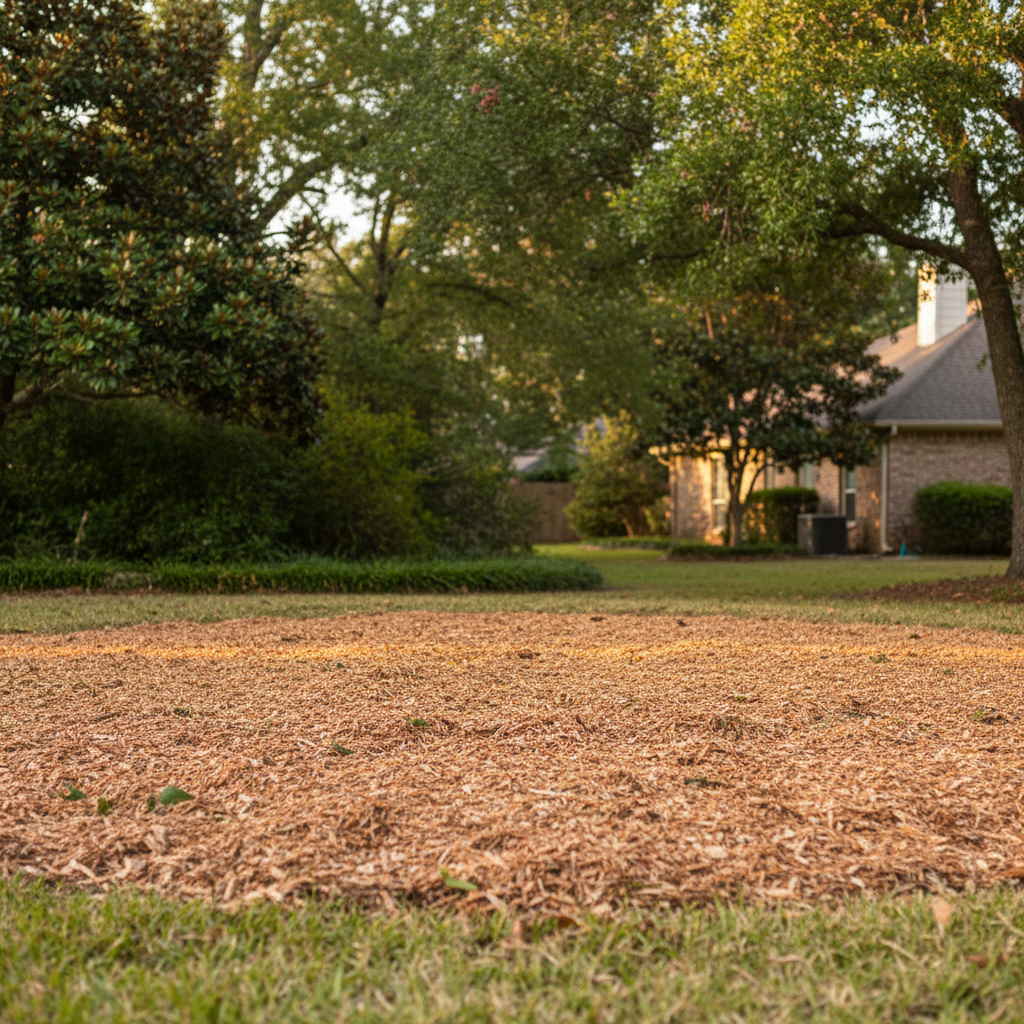
Once the tree is down, you're left with a stump. You've got a few options here. The most common thing we do is stump grinding. This is where we use a specialized machine to grind the stump down below ground level, usually 6-12 inches deep. This turns the stump into wood chips, which you can use as mulch or we can haul away. Grinding prevents the stump from resprouting and creates a clear space for new landscaping or grass. You could also try chemical removal, but that takes a long time, sometimes years, and isn't always effective. Or, you could just leave it, but it can be an eyesore, a tripping hazard, and a home for pests. Most folks opt for grinding; it's the cleanest and most efficient way to deal with it.
Can I Remove a Tree Myself?
I get it, you're handy, you've got a chainsaw. But honestly, tree removal, especially for anything bigger than a sapling, is incredibly dangerous. I've seen too many accidents, and it's just not worth the risk. We're talking about heavy falling objects, sharp tools, working at heights, dealing with unexpected shifts in weight, and potential damage to your property or your neighbor's. Professional tree services like Beaumont Tree Service have the right equipment – cranes, lifts, specialized saws, rigging gear – and, more importantly, the training and insurance to do the job safely. We know how to assess the fall path, how to make proper cuts, and how to control the descent of large limbs and trunks. Don't risk your life or your home to save a few bucks. Call a pro.
What About My Landscaping and Yard?
We do our best to minimize impact on your property. When we're planning a removal, we'll look at the best way to get the tree down without damaging your flower beds, lawn, or other structures. We use tarps to protect areas, and we're careful with our equipment. After the tree is down and the debris is cleared, your yard might look a little messy, especially if we've had to bring in heavy machinery. We'll clean up all the wood, branches, and sawdust. If you opt for stump grinding, you'll have a pile of wood chips and a hole where the stump used to be. You'll probably need to add some topsoil and reseed or lay sod to get your lawn back to normal in that spot. We'll leave your property as tidy as possible, but it's good to know what to expect so you can plan for any post-removal landscaping you want to do.
Why Choose a Local Company Like Beaumont Tree Service?
When you're dealing with something as important and potentially dangerous as tree removal, you want someone who knows what they're doing and who's accountable. A local company like mine understands the specific challenges we face here in Southeast Texas – the soft, often clay-heavy soil that can make roots spread wide but also make trees less stable in high winds, the types of trees common to our area, and the local regulations. We're part of the community, and our reputation matters. You can trust that we'll show up, do the job right, and stand by our work. Plus, you're supporting a local business, which is always a good thing for Beaumont.