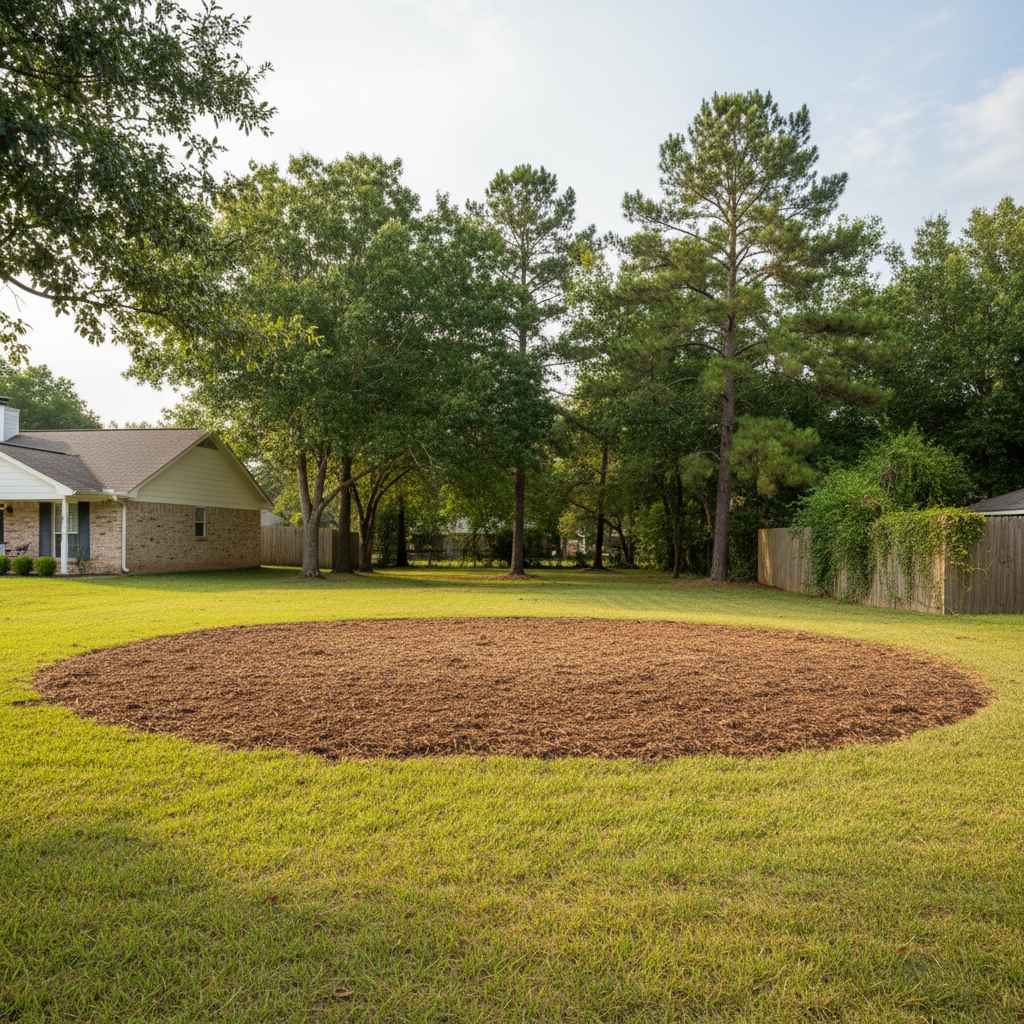
So, you've had a tree removed from your Beaumont property. Maybe it was a massive live oak that was getting too close to the house, or a storm-damaged pine that was a real hazard. Whatever the reason, the big work is done. But here's the thing: the job isn't truly finished when the crew packs up and the stump is ground down. You've got to think about what comes next for that spot in your yard.
Extending the Life of Your Tree Removal Work
When I talk about extending the 'life' of the work, I mean keeping that area healthy and preventing new problems. The ground where a tree stood, especially a big one, is going to be different. It's often compacted, and the soil structure changes. If you just leave it, you might end up with a dip or poor drainage, which is a real headache with our Beaumont rain.
- Backfill Properly: If you had a stump ground out, you'll have a hole. Don't just toss in any old dirt. Use a good quality topsoil mix, ideally one with some organic matter. This helps prevent settling and gives new plants a fighting chance.
- Consider Drainage: Pay attention to how water flows in that area, especially during our heavy summer downpours. If the ground settles and creates a low spot, you might need to build it up a bit more or even consider some minor regrading to ensure water moves away from your foundation.
- Replant Smart: If you're putting in new landscaping, think about what thrives here. Our clay soil can be tough, and the humidity is relentless. Choose native plants or varieties known to do well in Southeast Texas.
What Regular Maintenance Looks Like
Once you've got the area backfilled and maybe replanted, it's not a set-it-and-forget-it situation. Regular check-ins are key, especially in our climate where things can grow fast or decay even faster.
- Monitor for Settling: For the first few months, and even up to a year, keep an eye on the ground where the stump was. It's common for the soil to settle as the remaining roots decompose. You might need to add more topsoil periodically to keep it level.
- Water Wisely: If you've planted new grass or shrubs, they'll need consistent watering, especially during our hot, dry stretches. But don't overdo it; soggy soil can lead to root rot for new plantings.
- Weed Control: That newly disturbed soil is an open invitation for weeds. Stay on top of them, either by hand-pulling or using appropriate herbicides if you're comfortable with that. A good layer of mulch can help a lot here too.
- Check for Sprouting: Sometimes, especially with certain tree species, dormant buds on remaining root fragments can sprout. You'll see little tree shoots popping up. Just clip them back as soon as you see them. If you let them grow, you're basically growing a new tree where you just removed one.
Warning Signs of Problems
You're not looking for trouble, but you should know what to look for that might indicate an issue. Catching these early can save you a bigger headache later.
- Significant Sinking or Uneven Ground: A little settling is normal, but if you see a deep depression forming, or the ground around the old stump area is becoming very uneven, that could mean large root sections are decaying rapidly or the backfill wasn't done right. This can be a tripping hazard or affect drainage.
- Fungal Growth: Mushrooms or other fungi popping up where the tree once stood, especially if they're growing directly from the ground in a line, can indicate that there's still a lot of decaying wood underground. While often harmless, some fungi can be destructive to nearby structures or plants.
- Unusual Plant Growth: If new plants in the area are struggling, yellowing, or dying off for no apparent reason, it might be due to poor soil conditions, remaining root disease, or even competition from old roots.
- Pest Activity: Termites or other wood-boring insects love decaying wood. If you notice signs of these pests in the area, it's a red flag.
When to Call a Professional
Most of the time, you can handle the basic upkeep yourself. But there are definitely situations where you shouldn't hesitate to call in the pros, like us at Beaumont Tree Service.
- Persistent Sinking or Drainage Issues: If you've tried adding soil and it just keeps sinking, or you're getting standing water after every rain, you might need professional help to properly assess the sub-surface conditions and fix the drainage.
- Large Fungal Outbreaks: While a few mushrooms are usually nothing to worry about, a widespread fungal bloom, especially if it's a type you're unfamiliar with, could signal a more significant decay issue that might need expert assessment.
- Pest Infestations: If you suspect termites or other destructive pests are making a home in the old root system, get a pest control expert out there immediately. They can advise on treatment and prevention.
- Replanting Challenges: If you're having trouble getting anything to grow, or new plants keep dying, a professional arborist can do a soil analysis and give you specific recommendations for improving the ground. Sometimes, the old root system can leave behind chemicals or diseases that affect new growth.
- Any Safety Concerns: If you're unsure about the stability of the ground, or if you're worried about potential damage to nearby structures from decaying roots, it's always best to get an expert opinion. We've seen it all, and a quick inspection can give you peace of mind or identify a problem before it gets worse.
Taking care of that spot after a tree's gone isn't glamorous, but it's important for the long-term health and look of your yard. A little attention now can save you a lot of trouble later on.